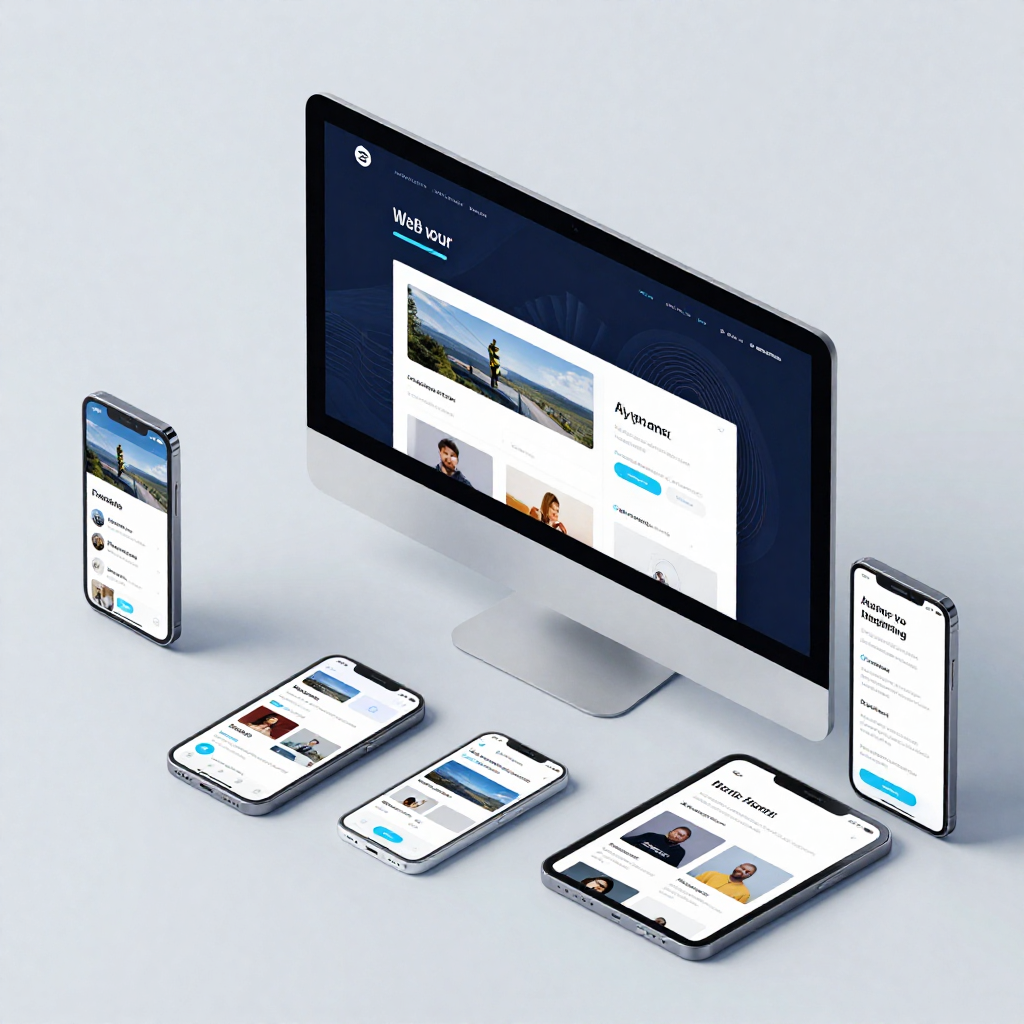
The growth of online digital platforms has changed the way users interact with interactive number-based activities and entertainment systems. One of the key factors driving adoption is user-friendly design. Websites that prioritize intuitive interfaces, easy navigation, and seamless user experiences attract more users, encourage engagement, and foster loyalty. This article explores the features, benefits, and design strategies that make online gaming websites accessible and enjoyable for digital users worldwide.
Importance of User-Friendly Design
A user-friendly design ensures that users can easily navigate the website, access features, and engage with content without confusion. Platforms that prioritize clarity, simplicity, and accessibility reduce the learning curve for new users and improve overall satisfaction. This is particularly important for platforms with global reach, where users may have varying levels of digital literacy and experience.
Intuitive Navigation
Intuitive navigation is a cornerstone of user-friendly websites. Clear menus, logical layouts, and easily identifiable buttons allow users to move through the platform effortlessly. Features like search functionality, quick access to dashboards, and organized categories help users find information or participate in activities quickly, enhancing engagement and reducing frustration.
Responsive and Mobile-Friendly Design
With the increasing use of smartphones and tablets, mobile responsiveness has become essential. A user-friendly online platform must adapt to different screen sizes, provide touch-friendly navigation, and maintain performance across devices. Mobile-friendly designs allow users to access interactive platforms anytime, anywhere, increasing accessibility and global adoption.
Interactive Dashboards
Modern digital platforms feature interactive dashboards that provide real-time updates, activity tracking, and personalized notifications. Dashboards allow users to monitor participation, view performance summaries, and receive alerts, enhancing engagement. Visual elements such as graphs, icons, and progress indicators make information easier to understand and create an engaging experience.
Clear Visual Hierarchy and Design Consistency
A clear visual hierarchy guides users’ attention to the most important elements on the page. Consistent color schemes, typography, and design patterns enhance usability and make websites look professional. Users can interact with the platform intuitively, which reduces errors and improves overall satisfaction.
Accessibility Features
User-friendly platforms prioritize accessibility for all users, including those with disabilities. Features such as screen reader support, keyboard navigation, color contrast adjustments, and alternative text for images ensure that every user can participate fully. Accessibility improvements broaden the audience and demonstrate professional design standards.
Secure and Transparent Interfaces
Security and transparency are critical components of user-friendly websites. Platforms should provide clear instructions for transactions, account management, and participation processes. Transparent interfaces build trust, while secure login systems, encrypted transactions, and clear privacy policies reassure users that their data is safe.
Personalization and Customization
Personalization enhances usability by tailoring dashboards, notifications, and content to individual user preferences. Platforms can adapt layouts, suggest features, and provide reminders based on user behavior. Customization improves engagement, encourages repeat visits, and ensures users feel connected to the platform.
Interactive Features and Gamification
Engaging platforms incorporate interactive elements and gamification to improve user experience. Features like progress bars, achievements, leaderboards, and instant feedback encourage participation and make digital interactions enjoyable. Gamification elements enhance user satisfaction and increase retention rates.Visit hargatoto login online for more details.
Responsible Engagement Tools
User-friendly platforms also promote responsible engagement. Features such as session reminders, activity tracking, and usage limits help users manage their participation effectively. Incorporating these tools into the interface ensures that users interact safely and maintain a positive experience.
Global Adaptation
Websites with user-friendly design appeal to a global audience. Multi-language support, culturally adapted visuals, and localized payment options ensure that users from different regions can navigate and interact comfortably. This approach expands reach and strengthens the platform’s international presence.
Future Trends in Design
The future of online gaming website design includes AI-powered personalization, augmented reality (AR) interfaces, immersive 3D dashboards, and predictive navigation tools. Platforms that integrate these innovations will provide highly engaging, interactive, and intuitive experiences, attracting and retaining users worldwide.
Conclusion
User-friendly design is essential for online gaming websites that aim to reach a broad and diverse audience. Intuitive navigation, responsive mobile design, interactive dashboards, accessibility, personalization, and transparent interfaces create engaging and professional platforms. By prioritizing usability and innovation, digital platforms can enhance user satisfaction, build trust, and maintain a competitive edge in the global market. As technology advances, user-friendly design will continue to be a central factor in attracting and retaining digital users.